
How to handle tenant disputes in your rental property
Understanding Tenant Disputes
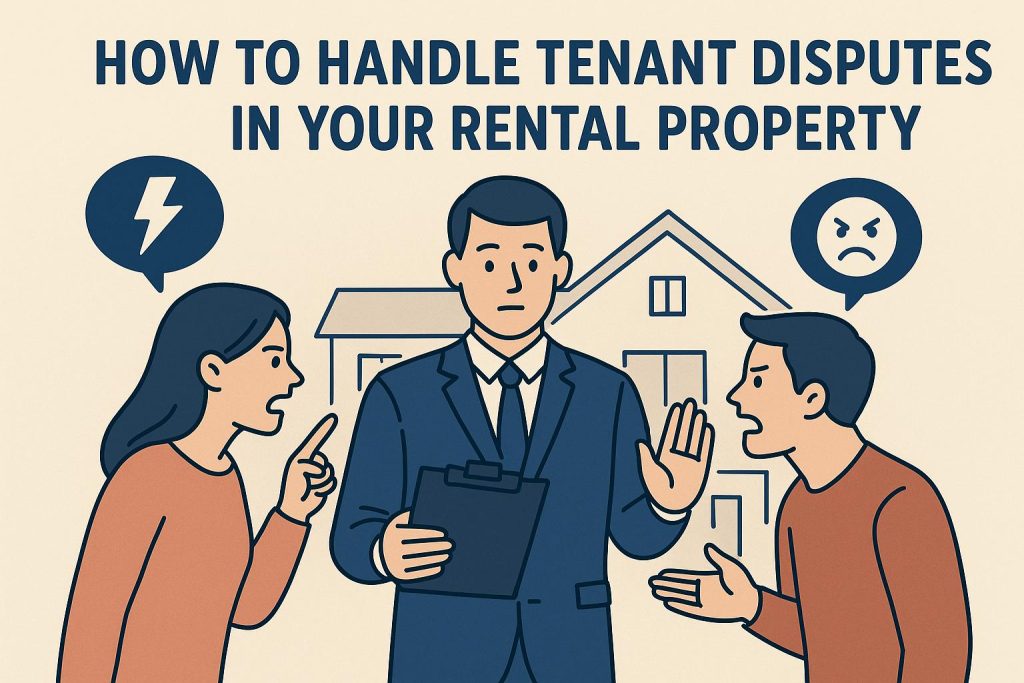
Tenant disputes are a common issue in the management of rental properties and can occur for a variety of reasons. Such conflicts might stem from noise complaints made by other tenants, disagreements over the interpretation or execution of lease terms, or issues pertaining to property maintenance. It is essential to first identify the root cause of the disagreement to effectively resolve it. Understanding the underpinnings of these disputes is the initial step towards a comprehensive solution. Listening to both parties involved in the dispute is crucial, as it ensures that you gather all the necessary and relevant facts before moving into any resolution phase.
Effective Communication
An essential element in resolving tenant disputes is maintaining effective communication. This begins with keeping an open line between you and all tenants involved in the conflict. Engaging in active listening allows the tenants to feel heard, and this can significantly defuse situations before they spiral out of control. It’s important to ensure that communication is both clear and concise. When responding to tenant concerns or queries, avoid any language that could be perceived as biased or inflammatory. Neutral language sets the stage for a fair assessment of the situation and encourages a collaborative effort towards resolution. Additionally, being approachable and empathetic can foster an environment where disputes are more readily resolved.
Document Everything
Another critical aspect of managing tenant disputes is the thorough documentation of every interaction and communication that pertains to the conflict. Recording the details, including dates, times, and the content of conversations, is not just useful for current dispute handling but also valuable if the situation were to escalate. In situations where legal action might be taken, these records can serve as compelling evidence to substantiate your position or help clarify any misunderstandings that may arise. Additionally, proper documentation serves as a tool to remind tenants of past communications and helps keep all parties on the same page.
Mediation as a Solution
In certain cases, particularly when direct communication does not yield a satisfactory resolution, opting for mediation might be beneficial. Mediation helps to involve a neutral third party who facilitates a constructive dialogue between disputing parties. This process often leads to mutually agreeable solutions and can be an efficient alternative to more adversarial proceedings. Many property management companies and local community organizations provide mediation services specifically geared towards resolving tenant disputes. Engaging in mediation not only saves time and resources but also reduces the likelihood of needing legal intervention by fostering cooperative conflict resolution.
Know Your Legal Obligations
A comprehensive understanding of local laws and regulations that govern the relationship between landlords and tenants is indispensable. Being well-versed in these laws aids tremendously in not only resolving disputes but also ensuring that all actions remain in compliance with legal standards. This includes being knowledgeable about notices, repair timelines, and eviction processes. A firm understanding of legal obligations safeguards against potential legal issues and provides a robust framework within which disputes can be handled effectively. Adhering to legal obligations also fosters a trustworthy relationship between you and your tenants, setting the groundwork for amicable dispute resolution.
Preventive Measures
An often overlooked aspect of managing tenant relationships is that it is far more efficient to prevent disputes than to resolve them post-occurrence. Prevention begins with establishing clear lease agreements and ensuring that tenants are familiar with their rights and responsibilities from the beginning. Clear lease terms set expectations for the relationship and minimize misunderstandings. Regular property inspections contribute to this by addressing potential issues before they become larger problems. Additionally, promptly responding to maintenance requests and tenant concerns shows a commitment to property upkeep and tenant satisfaction, thereby reducing the occurrence of disputes.
For those seeking more in-depth strategies and guidelines, consulting resources provided by local tenant associations or interacting with property management professionals could be invaluable. These resources offer insights from professionals with extensive experience in handling tenant disputes. Seeking advice from legal experts in landlord-tenant law can also provide a higher level of security and confidence. Such experts can offer specific insights into legal standards and practices that can be specifically tailored to particular situations.
By implementing these methods, landlords can significantly enhance their ability to handle tenant disputes effectively and maintain a harmonious living environment for all residents in their properties. Proper conflict resolution not only protects your investment but also contributes to tenant satisfaction and retention, which are essential components for successful property management.