
How to prepare a second home for winterization
Understanding the Importance of Winterizing a Second Home
Winterizing a second home is a critical procedure that safeguards your property from the harsh effects of cold weather. Proper winterization not only protects your property from potential damage due to freezing temperatures but also ensures the home remains in optimum condition during extended periods of non-use. The process of winterization involves various crucial steps that focus on the property’s structural integrity, plumbing systems, and other vital components.
Inspect and Repair the Structure
The first step in the winterization process is conducting a comprehensive inspection of your property. Begin by examining the roof, walls, and foundation for any existing damage. Look out for cracks, leaks, or any other form of deterioration that could exacerbate during the cold months. Unaddressed structural issues pose a significant risk, as they can lead to costly repairs if worsened by winter weather. By repairing these issues in advance, homeowners can prevent further damage and maintain their home’s structural health.
Seal Windows and Doors
Ensuring that windows and doors are adequately sealed is integral to winterization. The presence of gaps or openings can allow cold air and moisture to seep into the home, disrupting the internal environment and increasing the likelihood of pipes freezing. Effective sealing can be achieved by employing weather stripping and caulk. These materials close gaps and improve the home’s energy efficiency, thus maintaining an optimal indoor temperature.
Protect Plumbing Systems
One of the most susceptible components in a home during winter is the plumbing system. Frigid temperatures can cause pipes to freeze and burst, leading to significant water damage. To combat this risk, the home’s water system should be drained. Begin by turning off the main water supply, and then open all faucets to drain any remaining water. Additionally, it is advisable to pour anti-freeze into toilets and sink drains. This precautionary measure helps prevent residual water from freezing.
Insulate Pipes
Insulating pipes is another effective way to protect your plumbing system. Focus on pipes located in less heated areas of the home, such as basements and crawl spaces, as they are more prone to freezing. Utilize insulating material specifically designed for plumbing to wrap the pipes. By providing this additional layer of protection, homeowners can mitigate the risk of damage and avoid expensive repairs.
Maintain Heating Systems
Ensuring the efficiency and reliability of your home’s heating system is a vital component of winterization. Prior to the onset of winter, schedule a maintenance check for your furnace or primary heating unit. Professionals can verify that it operates efficiently and identify any necessary repairs. Additionally, cleaning or replacing filters will enhance the heater’s performance and reduce the likelihood of unexpected malfunctions.
Configure Thermostat Settings
Maintaining a consistent and safe internal temperature is paramount in preventing pipes from freezing. Set the thermostat to a temperature that sustains minimal heat loss while ensuring the safety of the plumbing system. A temperature of roughly 55°F (13°C) is usually sufficient. This setting is energy-efficient yet effective in protecting your home’s interior during your absence.
Secure the Exterior Property
The exterior of your second home deserves as much attention as the interior during winterization. Trim any overhanging branches to minimize the risk of damage due to falling limbs, which can be a common occurrence during winter storms. Ensure gutters are clean to prevent the formation of ice dams, which have the potential to cause roof damage.
Outdoor Fixtures and Furniture
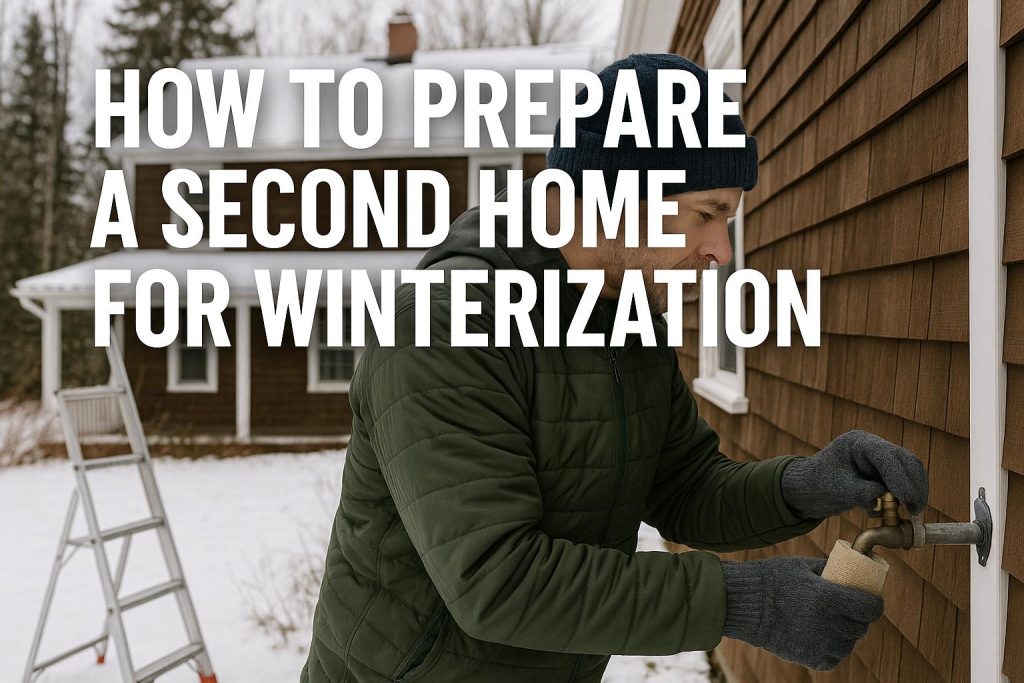
Outdoor furniture should be stored or adequately secured to protect it from wind damage. Additionally, disconnect and drain garden hoses and shut off exterior faucets. This step helps avert the freezing and cracking of outdoor plumbing fixtures that can lead to significant repairs in warmer months.
Power and Energy Management
Efficient energy management during the winter season can result in notable savings. Evaluate whether it’s necessary to turn off non-critical power sources when the home is not in use. Unplugging appliances that are not needed diminishes unnecessary energy consumption and reduces the risk of potential electrical hazards.
Install a Smart Home Monitoring System
Installing a smart home monitoring system provides an additional layer of security and convenience. With the capability for remote access, these systems enable homeowners to monitor the property’s condition from afar. They offer alerts for temperature fluctuations or potential water leaks, which can be crucial in preventing damage.
Final Checklist
Before departing your second home for an extended duration, walk through the property to ensure all winterization measures are in place. Confirm that all windows and doors are securely locked to maintain the security of the premises. It is also beneficial to create a checklist to verify that each necessary step has been completed.
Winterizing a second home is not merely a precautionary measure, but a crucial undertaking that preserves the integrity and safety of the property during the colder months. For those seeking additional guidance, consulting professionals with expertise in home maintenance or exploring reputable online home management resources is advisable. By investing time and effort into this process, homeowners can safeguard their investment and enjoy peace of mind knowing their property is secure.