
The pros and cons of owning a second home in a retirement community
Understanding the Appeal of a Second Home in a Retirement Community
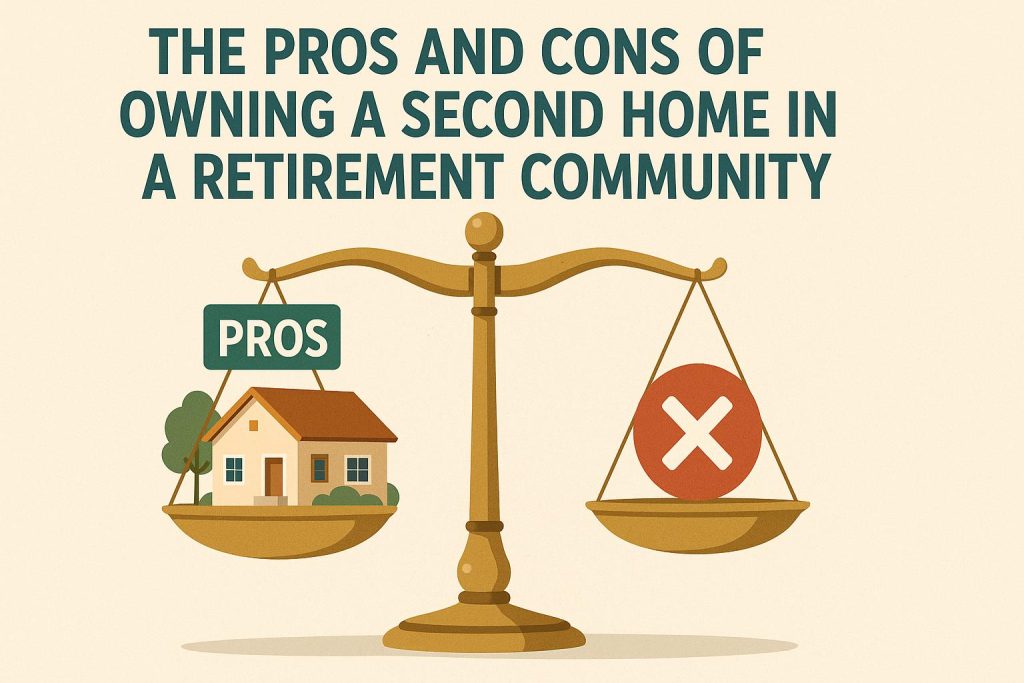
For many retirees, the idea of owning a second home in a retirement community is an attractive option. A second home can provide flexibility, a change of scenery, and an opportunity to enjoy different amenities. However, there are both advantages and disadvantages to this investment, which need careful consideration.
The Benefits of Ownership
Access to Specialized Amenities
Retirement communities often offer amenities designed specifically for older adults, such as golf courses, social clubs, fitness centers, and organized activities. These can enrich the retirement experience and encourage an active lifestyle. For example, the availability of fitness centers and swimming pools allows retirees to maintain physical health. In addition, organized activities, like art classes or book clubs, provide mental engagement and help maintain cognitive health. The abundance of such amenities in one location is a key reason why retirees seek out these communities for a second home.
Social Opportunities
Living in a retirement community provides numerous opportunities to meet people of similar age and interests. Engaging in community activities can lead to new friendships and a supportive social network. Social isolation is a common concern as people age, but in a retirement community, various events and clubs foster connections among residents. This communal environment can significantly enhance the quality of life, enabling retirees to avoid loneliness and stay socially active, which is crucial for both mental and emotional well-being.
Maintenance and Security
Many retirement communities offer maintenance services as part of the package. This can be particularly advantageous for those who do not wish to deal with home upkeep. Landscaping, plumbing, and electrical maintenance are often handled by the community, allowing homeowners to enjoy their leisure time without managing these tasks themselves. Additionally, a community setting can enhance security, providing peace of mind when the second home is not occupied. Gated communities often have security personnel and advanced surveillance systems, further ensuring the safety of properties.
Investment Potential
Purchasing a second home can be a sound financial investment. In many cases, property values in desirable retirement communities appreciate over time, potentially increasing the owner’s equity and financial stability. Retirees can benefit from property appreciation, especially in locations that are seeing a growing influx of seniors due to desirable climates or tax advantages. Furthermore, the option to rent out the property when not in use adds another potential income stream, offsetting costs associated with the home.
Potential Drawbacks
High Initial Costs and Ongoing Fees
One of the major considerations is the cost. Purchasing any property generally involves significant upfront expenses, including the down payment and closing costs. Retirement communities may also charge association fees, which can add up over time. These fees typically cover the maintenance of common areas and amenities but can significantly impact one’s budget. Furthermore, considering whether these fees fit into financial plans is crucial for retirees living on fixed incomes.
Limited Use
A second home is typically not used full-time. This can make it difficult to justify the expense, particularly when factoring in ongoing maintenance, taxes, and other costs associated with property ownership. The concept of “snowbird” living, where a retiree splits time between two homes in different climates, is appealing yet may not be practical for all. Evaluating how often the second home will be used relative to the financial commitment is vital when considering this purchase.
Resale Challenges
While property values can appreciate, resale can sometimes be challenging if demand in a specific community wanes. Potential buyers may have specific requirements or preferences that not all properties meet. The market for homes in retirement communities can be volatile, and shifts in regional demographics or policies might affect property values. Ensuring that homes align with broad appeal can help mitigate these resale risks.
Rules and Restrictions
Many retirement communities have rules and restrictions regarding property use, renovations, and guest policies. This can limit personal freedom and affect how you use your home. For instance, there may be regulations about how long guests can stay, which can pose issues if family members plan extended visits. Understanding these rules prior to purchasing is important to avoid potential conflicts or disappointments in how you wish to use your property.
Balancing Choices and Desires
Deciding whether to purchase a second home in a retirement community involves weighing both personal desires and practical considerations. For some, the social and lifestyle benefits outweigh the costs and potential drawbacks. It’s vital to assess your financial situation, lifestyle preferences, and long-term plans to determine if this investment aligns with your retirement goals.
Retirees should consider their personal lifestyle goals and financial constraints before making this significant decision. Some may prioritize community engagement and easily accessible amenities, while others might focus on investment potential and financial implications. Balancing these desires and practical aspects ensures a well-rounded decision, aligning with both current and future needs.
For further information, consider consulting resources such as real estate agents or retirement planning experts who specialize in senior living options. Such experts can offer detailed insights into specific communities and financial implications, enabling you to make an informed decision. Consulting these professionals can help prospective buyers navigate the complexities associated with buying a second home, ensuring a decision that supports their lifestyle and financial goals in retirement.